Written by Tom Ashby for REIN · Updated 18 November 2026
Quick answer: An oversupplied suburb is one where new homes are being finished faster than tenants and buyers can absorb them. You can spot it before you buy using free government data: rising rental bond lodgements with flat or falling median rents (Queensland RTA, NSW Rent and Sales Report, Victorian Rental Report), and a large pipeline of approved but unsold lots in the local council area (Queensland Government Statistician’s Office). Real Estate Investors Network (REIN), a buyer-only house and land advocate, checks house and land packages before you sign: the land and build price, the inclusions and who is paid from the price.
In this guide (7 sections)
Been shown a house and land package? Run the numbers in 60 seconds.
Free calculator: land and build split, yield, weekly cost and what to check before you sign.
Read this before you sign:
- A new estate can be oversupplied even when the wider city has a rental shortage.
- A rental guarantee or big builder incentive is often a sign the market needs help.
- Check achieved rents in the postcode, not the rent on the brochure.
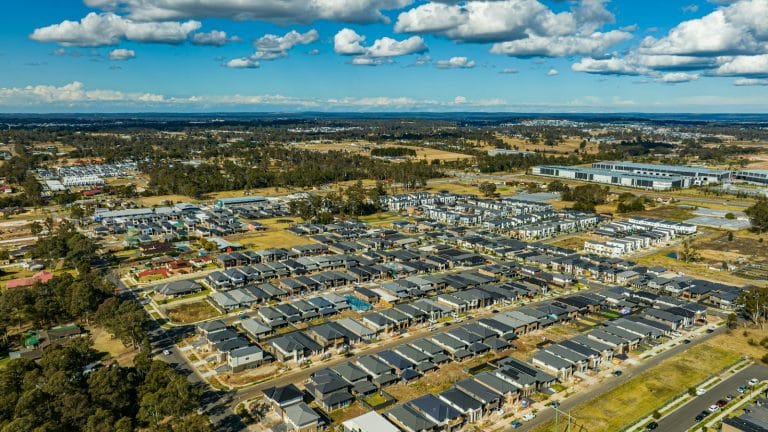
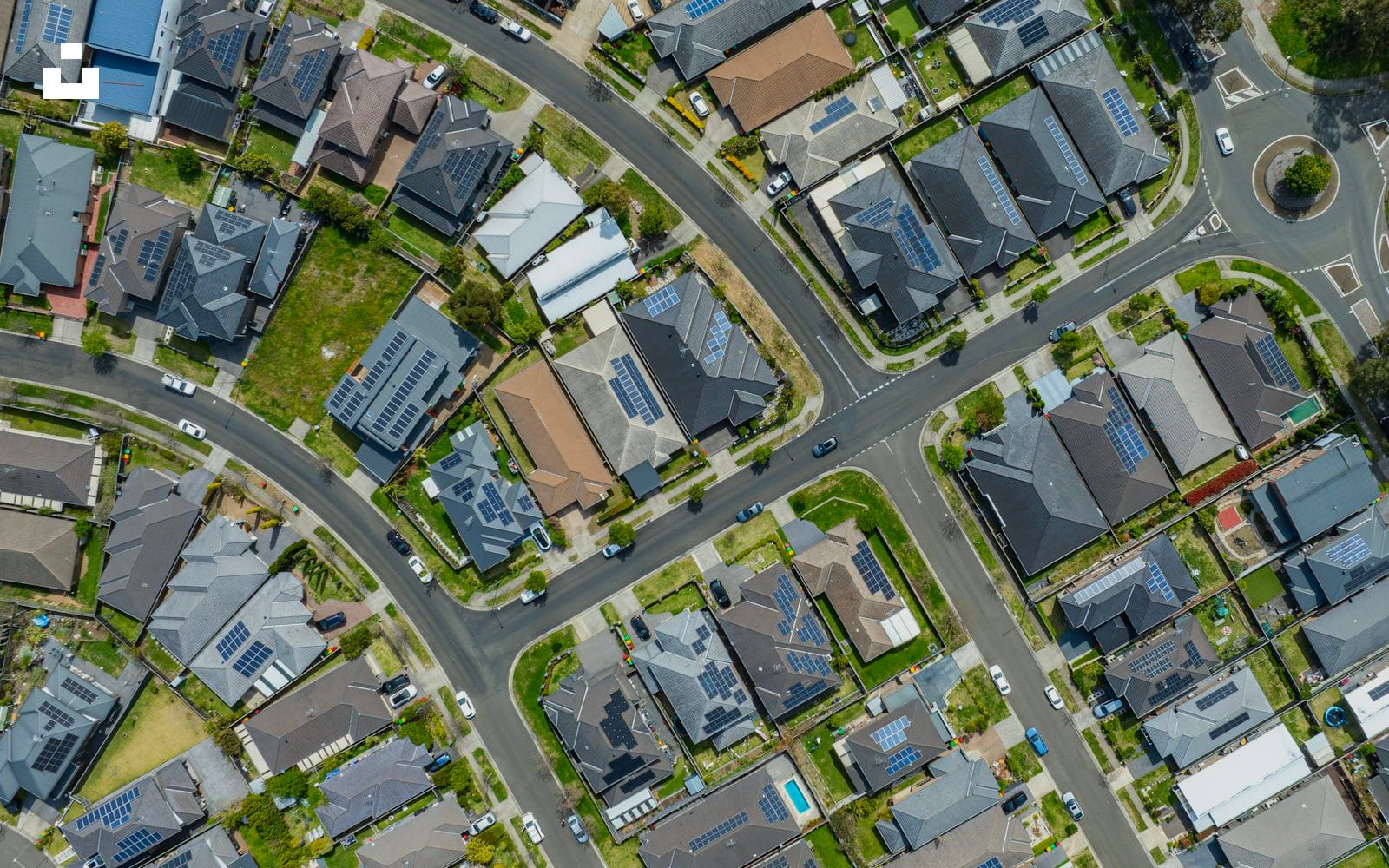
Most house and land estates are released in stages. When several stages settle at once, dozens of near-identical homes can hit the rental market in the same few months. That’s when vacancy rises and rents stall in that estate, whatever the headline numbers say about the city.
Here’s how to check the supply side yourself, using the data governments publish for free. Every fact below links to its source.
What oversupply looks like in a new estate
Oversupply is local. It usually shows up in four ways at once:
- More rentals, same rent. The number of new leases in the postcode jumps, but the median rent doesn’t move or goes backwards.
- A big pipeline. Many lots are approved or under construction in the council area compared with how many sell each quarter.
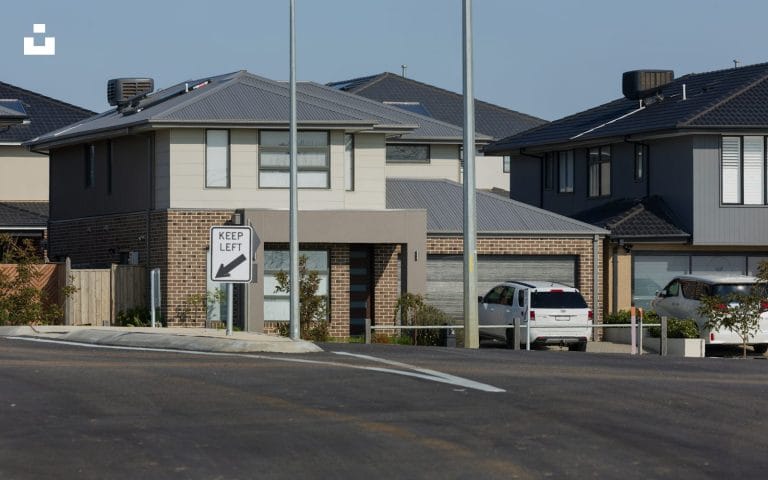
- Lots of identical listings. Search the estate on the rental portals: a long list of similar four-bedroom homes is a warning.
- Sweeteners. Rental guarantees, cash-back offers and “free” upgrades are there to move stock. Read our guide to rental guarantees on investment properties.
Check rents and new leases: the free government data
Each of the big house and land states publishes official rent data. Queensland’s comes from new rental bond lodgements, so it reflects rents tenants actually agreed to, not asking rents (RTA).
| State | Source | What it shows |
|---|---|---|
| Queensland | RTA median rents quarterly data | Median weekly rent by postcode, suburb and council area, plus total bonds lodged, updated each quarter |
| New South Wales | Rent and Sales Report | Rent movements across NSW; the department calls it “the sole authoritative source of data on NSW rent movements” |
| Victoria | Homes Victoria Rental Report | Quarterly key statistics on the private rental market |
How to read it. Compare the same quarter year on year, which is what the RTA recommends, rather than quarter on quarter. If new bonds in the postcode are climbing and the median rent for houses is flat or down, supply is outpacing demand.
Check the supply pipeline
In Queensland, the Government Statistician publishes quarterly residential land development activity profiles for each council area. They cover broadhectare land supply, uncompleted lots (approvals, operational works and certifications), lot registrations, lot sales, dwelling sales and dwelling approvals (QGSO).
The useful comparison is lots in the pipeline versus lots selling each quarter. A large stock of approved lots against slowing sales means more competition for buyers and, later, for tenants.
Nationally, the ABS publishes building approvals every month. It’s useful for the broad trend, but for a single estate the council-area data is what matters.
A big pipeline isn’t a reason to walk away on its own. Plenty of growth corridors absorb new homes because people keep moving there. It’s the combination that matters: lots of supply and rents that aren’t keeping up. Show me where my risk is →
Check the estate itself
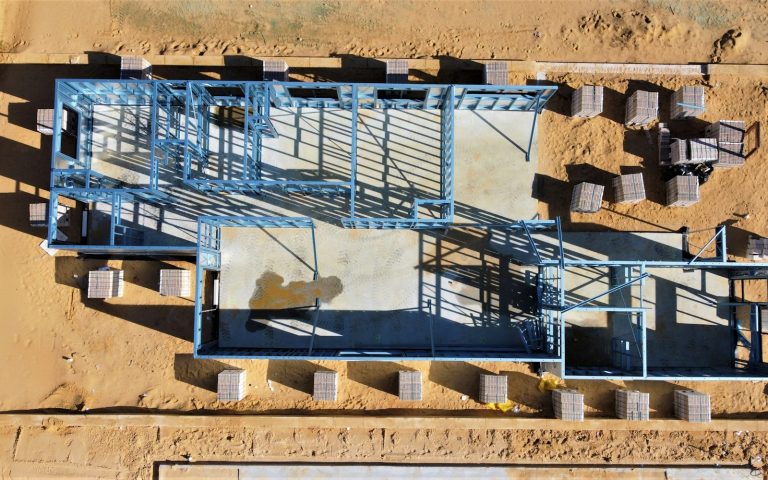
- Ask how many homes settle in your stage, and when. A stage of 80 homes finishing in the same quarter as yours means 80 possible competitors for tenants.
- Ask the property manager for leased evidence. Addresses, rents achieved and days on market for similar new homes in the estate, from the last six months.
- Count today’s rental listings in the estate. Then look at how long they’ve been listed.
- Look at what the developer is offering. Rebates, rental guarantees and “bonus” packages cost money, and it usually comes out of the price you pay.
Then compare the rent you’re being quoted with what the RTA, NSW or Victorian data shows for the postcode. Our guide to rental yield on house and land shows how to work out the yield on the real figure.
Questions to ask before you buy
- How many homes in this estate settle in the same quarter as mine?
- What have similar new homes in the estate actually leased for, and how long did they take?
- How many lots are approved but not yet sold in this council area?
- Is this package being sold with a rental guarantee or incentive, and what is it worth?
- What happens to my numbers if the rent comes in 10% below the quote?
How REIN can help
- We check the rent against official rent data and leased evidence for the postcode, not the brochure.
- We look at the supply pipeline around the estate before you sign.
- You pay a disclosed fee, and 100% of builder commission (excluding GST) is rebated to you.
- We work for the buyer only. We don’t sell stock for builders or developers.
Book a 15-Minute Clarity Call or call 1300 446 445.
Common questions about oversupplied suburbs
How do I know if a suburb is oversupplied?
Look for two things together: a rising number of new rental bonds in the postcode while the median rent stays flat or falls, and a large pipeline of approved lots against slowing sales in the council area. State rent data (RTA, NSW, Victoria) and Queensland’s QGSO activity profiles show both for free.
Where can I find vacancy and rent data by suburb for free?
Use your state’s official rent data: the RTA in Queensland, the Rent and Sales Report in NSW and the Rental Report in Victoria. Queensland’s figures come from new rental bond lodgements, so they reflect rents tenants actually signed up for rather than asking rents.
Can a suburb be oversupplied during a rental shortage?
Yes. Supply is local. A city can have a tight rental market overall while one estate has many identical new homes finishing at the same time. That’s why the postcode and estate data matter more than the city-wide headline.
Is a rental guarantee a red flag?
Not always, but treat it as a question. A guarantee has to be paid for somewhere, usually in the price. Ask what the rent will be when it ends, and check that figure against official rent data for the area.
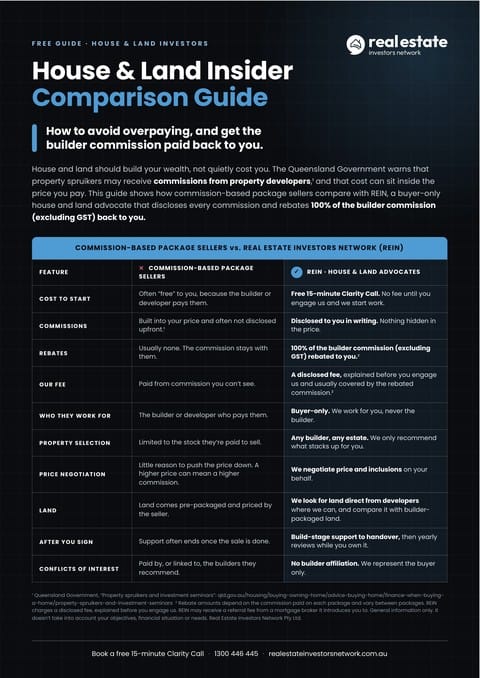
The supply data is free and takes about an hour to check. The mistake costs years. Are you comparing packages right now? Get My Package Checked → Still researching? Get the Insider Comparison Guide, or see our guides for house and land buyers.
More guides
- Rental guarantees on investment properties
- Rental yield on house and land
- Is my house and land package overpriced?
- Hidden commissions in house and land packages
- How to stress-test a house and land investment
- Buying a second investment property
Important disclaimer: This article is general information only, compiled from publicly available sources on the internet. We believe it was accurate at the date of publication, but details change and errors can occur. It is not legal, tax, financial or credit advice and does not take your circumstances into account. Before you rely on anything here, confirm the facts directly with the government agency or developer concerned, and speak to your accountant, solicitor or licensed adviser. REIN accepts no liability for decisions made on the basis of this article. To report an error, call 1300 446 445.
Sources
- Median rents quarterly data, Residential Tenancies Authority (Qld), accessed 18 November 2026
- Rent and Sales Report, NSW Department of Communities and Justice, accessed 18 November 2026
- Rental Report, Department of Families, Fairness and Housing (Vic), accessed 18 November 2026
- Residential land development activity profiles, Queensland Government Statistician’s Office, accessed 18 November 2026
- Building Approvals, Australia, Australian Bureau of Statistics, accessed 18 November 2026
More buying guides