How to Stress-Test a House and Land Investment Before You Sign (2026)
Quick answer: To stress-test a house and land investment, run the numbers again assuming interest rates rise, the home sits empty for a few weeks, the rent comes in lower than quoted, and the bank values it below the contract price. If you can still hold the property comfortably in that worse case, the deal is far safer. Banks already test borrowers at 3 percentage points above the loan rate, and the Reserve Bank has lifted the cash rate twice since September 2026, to 4.85%. Real Estate Investors Network (REIN), a buyer-only house and land advocate, runs these checks on a package before you sign. Most package brochures show one set of numbers: today’s interest rate, a full year of rent at the quoted figure, and a price that assumes the home is worth what you pay. Real life rarely lines up that neatly. A stress test asks a simple question: if a few things go wrong at once, can you still hold the property without being forced to sell? Every fact below links to its source. The worked example uses round figures we’ve chosen to show the method. They are not a forecast. Why Stress-Testing Matters Right Now The Reserve Bank of Australia raised the cash rate target by 0.25 percentage points on 30 September 2026 and again on 4 November 2026, taking it from 4.35% to 4.85% (RBA, cash rate target). Anyone who bought on numbers that only worked at the old rate is now testing those numbers for real. Banks build in a margin of safety too. APRA, the banking regulator, requires lenders to check that new borrowers could still afford their repayments at an interest rate at least 3 percentage points above their loan rate, and kept that buffer in place in May 2026 (APRA, 28 May 2026). If the bank tests your finances that way, it makes sense to test the property that way as well. Moneysmart lists the main risks of investing in property, including rental income that doesn’t cover the mortgage and other costs, higher repayments when rates rise, vacancy, and a fall in value that leaves you owing more than the property is worth (Moneysmart). A stress test puts a dollar figure on each one. The Worked Example To keep it simple, we’ll use one example package and change one thing at a time. These figures are assumptions for illustration only: Package price: $650,000 Loan: $520,000 (80% of the price), interest only Quoted rent: $600 a week Starting interest rate: 6.5% At those numbers, the rent is $31,200 a year and the interest is $33,800 a year. Before any other costs, you’re about $2,600 a year short, or around $50 a week. That’s the brochure case. Test 1: Interest Rates Rise by 3 Percentage Points Use the same buffer the banks use. At 9.5% instead of 6.5%, interest on a $520,000 loan rises from $33,800 to $49,400 a year. That’s $15,600 a year more, or about $300 a week. Ask yourself whether your income could cover that for a few years without strain. If the answer is no, the property may be too big a stretch, however good the brochure looks. Test 2: The Home Sits Empty for a Month New homes often take time to find a first tenant, and every change of tenant can leave a gap. Allow for at least four weeks without rent in the first year. At $600 a week, four empty weeks cut your rent from $31,200 to $28,800. Check how many other new homes are being finished nearby at the same time. If a whole stage is completing together, you may be competing with dozens of other landlords for the same tenants. Here’s how to spot an oversupplied suburb. Test 3: The Rent Comes In Lower Than Quoted A quoted rent on a package is an estimate, not a lease. Compare it with the median rent for the same size home in the suburb. In some areas the gap is large: in our Melton guide, for example, REIV’s four-bedroom median rents were $460 to $480 a week. Test the numbers with the rent 10% lower than quoted. In our example, $540 a week for 48 weeks brings in $25,920 a year. Test 4: The Bank Values It Below the Contract Price If the bank’s valuation comes in under what you agreed to pay, it lends against the lower figure. Say the $650,000 package is valued 5% lower, at $617,500. At 80% of that value, the bank lends $494,000, not $520,000. You’d need to find about $26,000 more in cash, or pay lenders mortgage insurance, to settle. This risk is higher when a package is priced at or above what similar homes are selling for. Here are six checks to see if your package is overpriced. Putting It Together: The Worse Case Now combine the tests: interest at 9.5%, four weeks of vacancy and rent 10% below the quote. Measure Brochure case Stress case Interest rate 6.5% 9.5% Weekly rent $600 $540 Weeks rented 52 48 Rent for the year $31,200 $25,920 Interest for the year $33,800 $49,400 Shortfall before other costs $2,600 a year (about $50 a week) $23,480 a year (about $450 a week) That shortfall is before council rates, insurance, property management, maintenance and any other holding costs. Here’s what a house and land investment really costs to hold. Tax deductions may reduce the after-tax cost, but they don’t put cash in your account each week, so speak to your accountant about your own situation. The point isn’t that this will happen. It’s that you should know the number before you sign, and be confident you could carry it for a while if it did. Want this run on a package you’ve been shown? Get My Package Checked before you sign. Five Questions to Ask Before You Sign What’s my weekly shortfall at a rate 3 percentage points higher? Work it out on your actual loan, not the brochure. Is the quoted
Buying a Second Investment Property: How to Grow Without Doubling Your Risk (2026)
Quick answer: Before buying a second investment property, check three things: that you could hold both properties if rates rose and one sat empty, that the second property doesn’t repeat the same risks as the first (same type of home, same kind of estate, same market), and that you keep enough cash in reserve. Lenders test new borrowers at 3 percentage points above the loan rate, and the cash rate is now 4.85% after two rises since September 2026. Real Estate Investors Network (REIN), a buyer-only house and land advocate, checks a second package against your first before you sign. The first investment property is usually the hardest to buy. The second is often the easiest, because you have equity, a track record and a builder or seller keen to sell you another. That’s exactly why it deserves more care. A second property doesn’t just add another set of numbers. It can double your exposure to the same risk. Every fact below links to its source. Rule 1: Make Sure You Can Hold Both in a Bad Year Moneysmart lists the main risks of property investing: rental income that doesn’t cover the mortgage and costs, higher repayments when rates rise, periods without a tenant, and a fall in value that leaves you owing more than the property is worth (Moneysmart). With two properties, those risks can land at the same time. Rates have already moved. The Reserve Bank raised the cash rate target on 30 September and 4 November 2026, from 4.35% to 4.85% (RBA). APRA requires banks to check that new borrowers could still repay at an interest rate at least 3 percentage points above their loan rate (APRA, 28 May 2026). Run that test across both properties together: rates 3 percentage points higher, a month without rent on each, and rent a little lower than quoted. Here’s how to stress-test a house and land investment, step by step. If the combined weekly shortfall would strain your budget, the second property may be one too many for now. Rule 2: Don’t Buy the Same Risk Twice Many investors buy a second package in the same estate, or the same kind of estate, because it feels familiar. But two near-identical new homes in one growth corridor will tend to rise and fall together, compete for the same tenants and face the same new supply. Markets can move very differently at the same time. In Western Australia, REIWA recorded 12-month median house price growth of 18% in Byford to October 2026 (REIWA, Byford). In Melbourne’s west, REIV recorded a 5.6% fall in Melton South’s median house price for the latest quarter (REIV, Melton South). These figures cover different periods and don’t predict what happens next, but they show how far apart two markets can be. Before you buy, ask how the second property differs from the first: a different city or region, a different stage of the market, a different type of tenant, or a different price point. Rule 3: Keep a Cash Buffer, Not Just Equity Equity in your first property can help fund the deposit on the second. Here’s how using equity to buy an investment property works. But equity isn’t cash. If both properties need money at once, for a vacancy, a repair or a valuation shortfall at settlement, you’ll need funds you can actually reach. New builds bring their own timing risks. If the bank values a package below the contract price, you may need to find the difference before settlement. Here are six checks to see if a package is overpriced. Rule 4: Know Where You Sit on Borrowing Limits Banks limit how much of their lending can go to borrowers with very high debt compared with income. Under APRA’s settings, banks can lend up to 20% of new owner-occupied and investment loans to borrowers whose debt is six times their income or more (APRA, 28 May 2026). A second investment loan can push you toward that level, which can make the next loan harder to get. Ask your broker or lender where you sit before you commit. Weighing up a second package? Get My Package Checked before you sign. Questions to Ask Before You Buy Your Second Property Could I hold both properties for a year with rates 3 percentage points higher? How is this property different from my first? Location, market, tenant type and price point. How many new homes are being finished nearby? Here’s how to spot an oversupplied suburb. How much cash will I have left after settlement? Not equity, cash. Who’s paid if I buy? If anyone introduced you to the package, ask in writing whether they’re paid a commission, by whom, and how much. Here’s how hidden commissions in house and land packages work. How REIN Can Help You don’t have to work all of this out on your own. REIN acts only for the buyer. Before you sign, we’ll check the package for you: Is the price competitive? We compare the land and build price with what similar property is selling for in the area. Does it add risk or spread it? We look at how the location and market compare with what you already own. Is there a commission in the price? We ask in writing who’s being paid and how much, so you know before you sign. How we’re paid: a disclosed fee, and 100% of builder commission (excluding GST) rebated to you. After settlement we offer yearly reviews of the rent, value and finance, so you can see how each property is tracking. Common Questions About Buying a Second Investment Property When should I buy my second investment property? When you could hold both properties through higher rates and a period of vacancy, and still have a cash buffer. There’s no set timeframe. Should my second investment property be in a different area? Often it makes sense. Two similar homes in the same market tend to face the same risks at the same time, while
Investment Property Costs 2026: What a House and Land Investment Costs to Hold
What a new house and land investment costs to hold each year, the construction-period costs you can’t deduct, and how the 2027 tax changes affect it.
Oversupplied Suburbs: How to Spot One Before You Buy House and Land
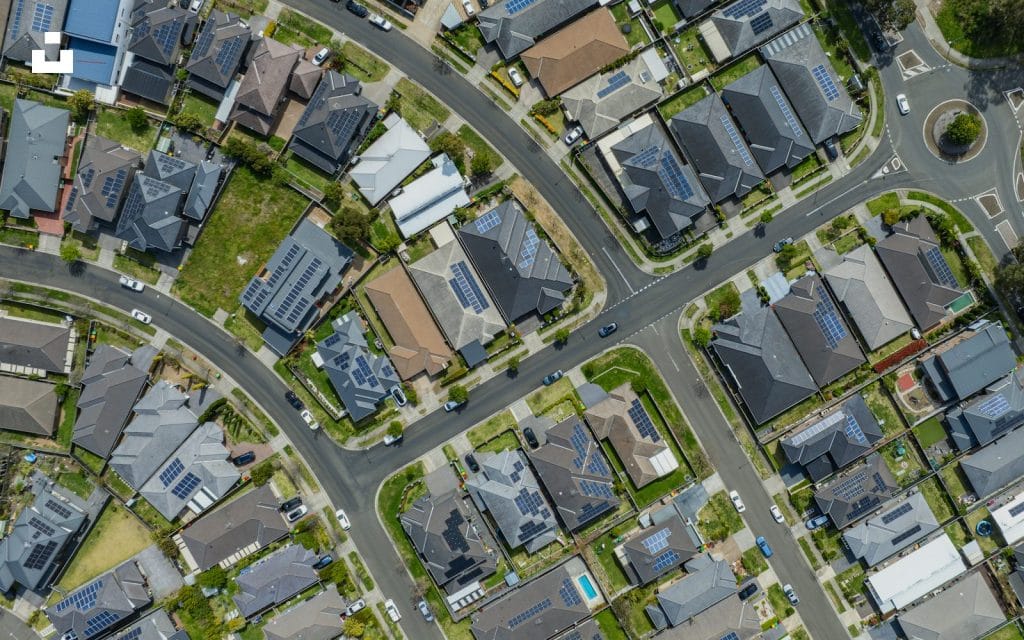
How to spot an oversupplied suburb before you buy house and land, using free government rent, bond and land supply data. What to check and what to ask.
Can You Negotiate a House and Land Package? What’s Negotiable in 2026
What you can negotiate on a house and land package in Queensland: inclusions, allowances, site costs, deposit and timing, and what to get in writing.
Home Warranty Insurance QLD 2026: What It Covers, Limits and Gaps for Investors
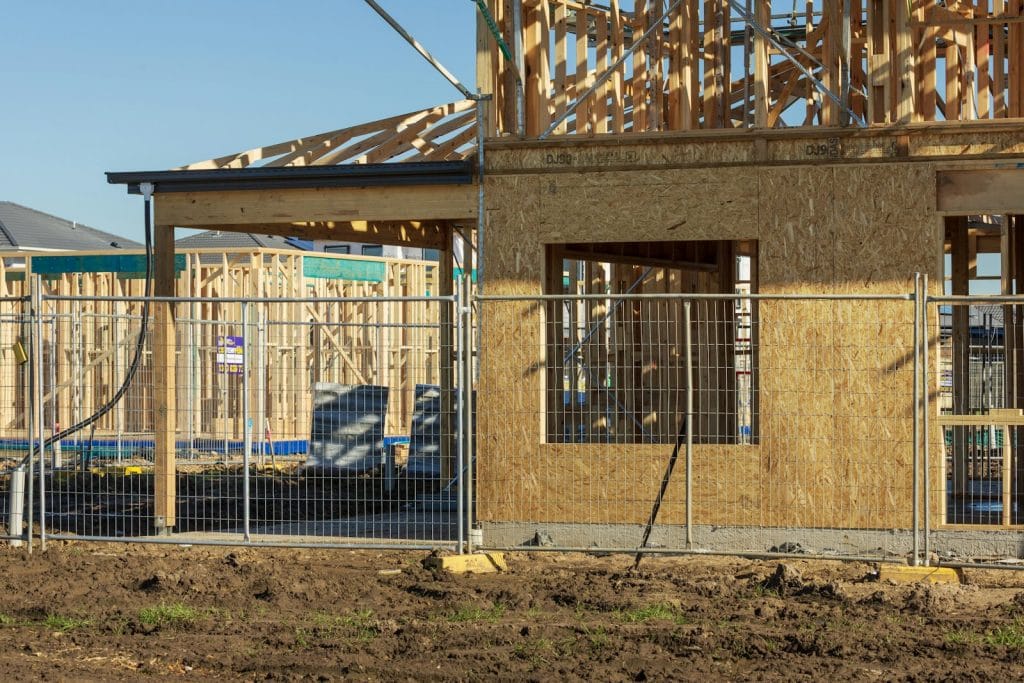
QBCC home warranty insurance for house and land investors: what’s covered, the $200,000 limit, the deadlines, and the gaps for rented homes.
What to Check Before Signing a House and Land Contract (QLD)
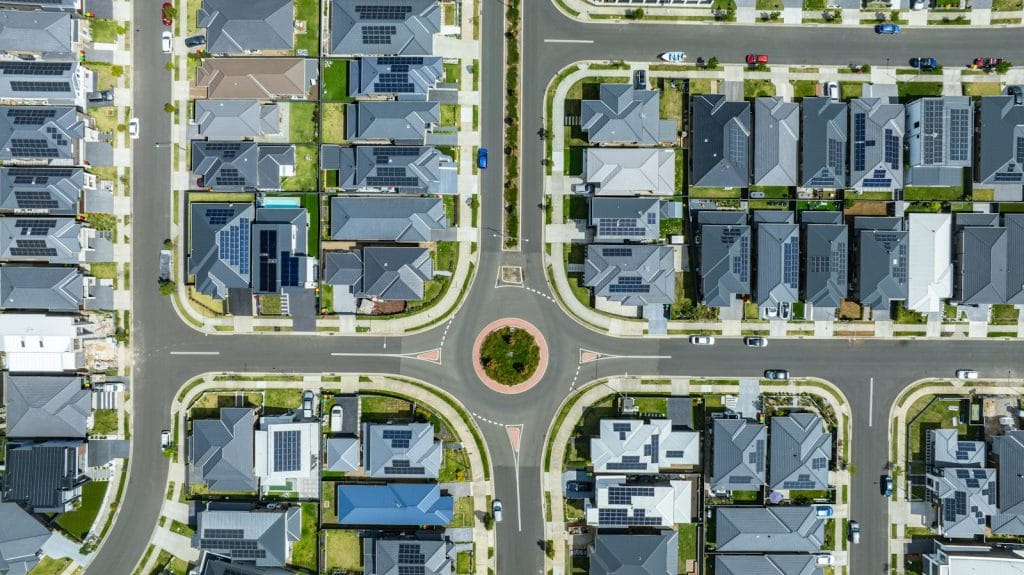
Twelve checks before you sign a house and land contract in Queensland: land and build prices, allowances, deposit limits, cooling-off, home warranty and title dates.
Split Contract vs Single Contract House and Land: What Investors Should Know
How split and single house and land contracts work in Queensland: payments, finance, protections, stamp duty and where the risk sits.
House and Land Packages Under $600k 2026: Where They Are and What’s Missing
Quick answer: House and land packages under $600k were hard to find on 3 November 2026, even on builder pages built to rank for that search: in our check, pages titled “under $600k” showed few or no packages below that price. In regional Queensland, the cheapest visible Townsville package on OpenLot was $654,400, and the cheapest four-bedroom Bundaberg package on Domain’s first page was $618,400. Real Estate Investors Network (REIN), a buyer-only house and land advocate, checks house and land packages in Under $600k before you sign: the land and build price, the inclusions and who is paid from the price. Read this before you sign Check the price, not the label. A page called “under 600k” can list nothing under $600,000. Get the driveway, fencing and landscaping priced in writing. Some builders exclude them from the package. Ask who is paid when you sign, and how much. That payment usually sits inside the price. Get My Package Checked → Search “house and land packages under 600k” and you mostly get builder listing pages. They exist to sell, so the heading and the price list don’t always match. We opened the main ones on 3 November 2026 and wrote down what was actually there. If you’re an investor working to a $600k ceiling, this guide shows where that budget still gets close, what the headline price tends to leave out, and what the 2027 tax changes mean at this end of the market. Every fact below links to its source. What “Under $600k” Means on a Builder Listing in 2026 On 3 November 2026, we checked builder listing pages titled “under $600k” or similar. Most showed few or no packages below $600,000, and the cheapest listings sat just above it, on narrow lots in outer growth areas. So treat “under $600k” as a search filter or a marketing page. It isn’t a promise that the stock exists. The page can stay live and keep ranking long after the last package at that price has sold. Where Packages Near $600k Still Show Up Townsville. On 3 November, OpenLot’s Townsville listings showed 21 results, 13 of them on the page. The cheapest visible was $654,400 for a three-bedroom home on a 300m² lot (Lot 7310, North Shore, Burdell). Packages at MacKinnon’s Reach in Gumlow started at $739,000. Our Townsville house and land guide covers the estates in more detail. Bundaberg. Domain’s Bundaberg Region search for new four-bedroom house and land showed 57 results. On the first page of 20, the cheapest was $618,400 at Apple Tree Creek, on a 2,133m² block well out of town. The next cheapest was $735,600 at Woodgate. More in our Bundaberg guide. The pattern is the same in both places. In late 2026, $600k sits at or below the floor for a new detached house and land package, even in regional Queensland. Getting under it usually means a small home, a narrow lot, or a block a long way from jobs and services. Why the Land Price Decides Whether $600k Works Opteon put Townsville’s median vacant land price at $345,000 in the first half of 2026, about 37.5% above the 2025 median of $250,900. Its median house price was $700,000. Do the sum. On a $345,000 block, a $600,000 package leaves about $255,000 for the house, site works, connections and everything else. That’s tight. When a package does come in under $600k, ask what was trimmed to get it there: the size of the home, the inclusions, or the land. Where the risk sits Near $600k, the risk is rarely the headline number. It’s what the number leaves out, and who is paid on the sale. Send us the package and we’ll show you the full cost. Show me where my risk is → What’s Usually Left Out of a Package Near $600k Driveway, fencing, landscaping and letterbox. Some builders exclude these from their packages. Price them before you compare. Site costs. Some packages include site costs and some don’t. Get a written answer, and a fixed dollar figure for site works. Asterisks and offers. Find the footnote for every asterisked price, and ask for the terms of any promotional offer in writing. Two contracts, not one. Most packages are a land contract and a build contract. Ask for the land price and the build price separately, so you can see how the total was made. Who is paid. If a marketer or adviser introduced you to the package, ask whether the builder or developer pays them, and how much. Here’s how hidden commissions in house and land work. What the 2027 Tax Changes Mean at This Price Point The ATO says the 2026 Budget changes to negative gearing and capital gains tax “are now law”. From 1 July 2027, negative gearing for residential property investments is limited to new builds. Properties held at 7:30pm AEST on 12 May 2026 are exempt from the negative gearing change. For individuals, trusts and partnerships, the 50% CGT discount is replaced by cost base indexation with a 30% minimum tax on capital gains, for gains that accrue after 1 July 2027. If that pushes more investors toward new builds, the cheapest lots are the ones they’ll be competing for. That’s a reason to check the price harder, not to rush. A tax rule doesn’t turn a weak package into a good one. More in our guide to negative gearing changes for new builds. This is general information, not tax or financial advice. Speak to your accountant about your own situation. Already been shown a house and land package? Get My Package Checked before you sign. Questions to Ask Before You Sign a Package Near $600k Does this price include the land, and what are the land and build prices separately? What’s excluded? Driveway, fencing, landscaping, window coverings, letterbox? Are site costs fixed in the contract, and what’s the dollar figure? How wide is the lot, and does the design fit without variations? What does the asterisk next to the
First Investment Property 2026: What to Check Before You Buy
Buying your first investment property? Deposits and mortgage insurance, borrowing power, why first home grants don’t apply, the costs people miss and the questions to ask.